
Muay Thai for Beginners: What to Expect in Your First Month
The simple answer: your first month of Muay Thai is about learning your stance, your basic strikes and how to move, not about fighting. Expect to feel uncoordinated, sore and out of breath. That’s normal. Train two or three times a week, keep turning up, and by week four it starts to make sense.
Walking into a Muay Thai gym for the first time can feel like walking into someone else’s house. Everyone seems to know where to stand, what to do and how to wrap their hands, while you’re wondering whether you’ve brought the right shorts.
Here’s the good news. Every person in that room had a first session. Most of them were just as lost as you.
This guide walks you through what your first month of Muay Thai actually looks like, week by week, so you know what’s coming and can focus on learning.
What Is Muay Thai?
Muay Thai is the national sport of Thailand, often called “the art of eight limbs” because it uses punches, elbows, knees and kicks. It also has a clinch game, where fighters grip each other at close range to land knees, off-balance each other and control the fight.
That makes it one of the most complete stand-up martial arts you can learn. It’s also one of the most demanding, which is why a sensible first month matters.
Your First Month at a Glance
| Week | Focus | What to expect |
|---|---|---|
| Week 1 | Stance, guard, jab, cross, round kick, footwork | Feeling uncoordinated and a bit lost |
| Week 2 | Repeating the basics on pads and bags | Sore shins, hips, calves and shoulders |
| Week 3 | Simple combinations, checking kicks, the teep | Things start to click |
| Week 4 | Longer combinations; light technical sparring at some gyms | More confidence and better fitness |
Week 1: Stance, Guard and Feeling Lost
Your first few sessions will focus on the foundations:
- Your fighting stance and where your weight sits
- Keeping your guard up and your chin down
- The jab, cross and basic round kick
- Moving forward, back and sideways without crossing your feet
Most classes start with a warm-up (skipping, running, shadow boxing, bodyweight work), move into technique with a partner or on pads, then finish with conditioning.
You’ll probably feel uncoordinated. Your kicks won’t land where you want them to. Your hands will drop. You’ll forget which foot goes forward. None of that matters in week one. Just watch, listen and copy.
Week 2: The Soreness Arrives
Somewhere around your third or fourth session, your body will let you know it’s been doing something new. Shins, hips, calves and shoulders take most of the hit.
Shin soreness is the one beginners worry about most. Your shins do toughen up over time through consistent pad and bag work, but there’s no need to rush it. Let your coach guide how hard you kick, and give yourself rest days between sessions.
This is also the week most beginners decide whether they’re going to stick with it. If you’re struggling for motivation, have a read of our guide on how to stay consistent with Muay Thai training.
Week 3: Combinations Start to Click
By week three, the basics start to join together. You’ll be throwing simple combinations like jab, cross, round kick, and starting to learn how to check (block) a kick with your shin.

You’ll also be introduced to the teep, Muay Thai’s push kick. It’s one of the most useful tools in the sport for controlling distance, and one that beginners often underuse.
Many gyms will start showing you some basic clinch positions around this point too. Don’t worry if it feels awkward. The clinch takes years to get good at.
Week 4: Your First Taste of Light Sparring (Maybe)
Every gym is different. Some won’t let beginners spar for a couple of months. Others will introduce controlled technical sparring, at a light pace with the focus on technique rather than power, once you’ve learned the basics.
If you’re invited to spar, remember:
- Light means light. Match your partner’s pace.
- Keep your guard up even when you’re tired.
- Sparring is practice, not a fight. Nobody wins sparring.
- Tell your coach if you’re not ready. A good gym will respect that.
What Do You Need for Your First Muay Thai Class?
You need far less than you think. For your first few sessions, bring:
First class checklist
- Comfortable shorts that let you kick freely. Muay Thai shorts are designed for this, but any loose training shorts will do to start.
- A fitted t-shirt or vest
- A water bottle (a big one)
- A towel
Most gyms have spare gloves and pads for beginners. Once you know you’re going to stick with it, the first things to buy are your own hand wraps, gloves (usually 14oz or 16oz for training) and a gum shield. Shin guards come next if your gym spars.
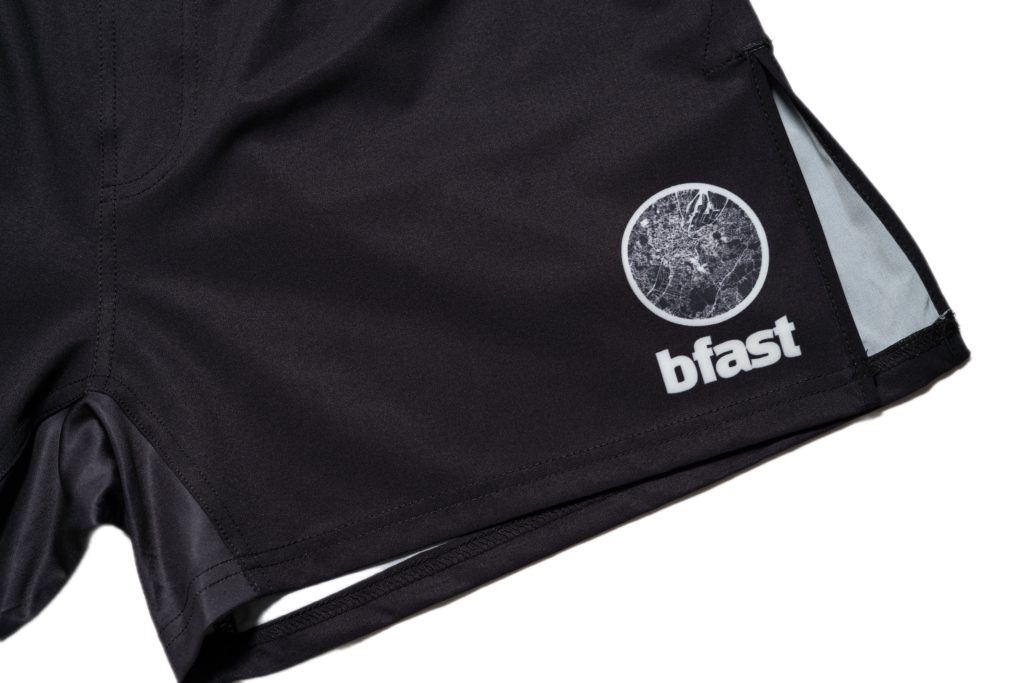
When you’re ready to invest in proper fightwear, our guide on how Muay Thai shorts should fit explains what to look for, and you can browse the full BFAST shorts collection when you’re ready.
How Often Should Beginners Train Muay Thai?
Two to three sessions a week is the sweet spot for most beginners. It’s enough to build skill and fitness without your body breaking down.
Training every day in your first month usually ends one of two ways: injury or burnout. Rest is when your body adapts. Your shins, joints and muscles need that time.
Common Beginner Mistakes to Avoid
- Trying to hit hard instead of hitting right. Power comes from technique. Learn the movement first.
- Holding your breath. Breathe out sharply with every strike.
- Dropping your hands when you kick. Everyone does it. Fix it early.
- Comparing yourself to people who’ve trained for years. Compare yourself to last week.
- Skipping the warm-up. Cold hips and fast kicks don’t mix.
Is Muay Thai Good for Beginners?
Yes. You don’t need to be fit, flexible or experienced to start. A good gym will scale everything to your level. Muay Thai builds fitness, confidence, coordination and discipline, and the community side of training is something most people don’t expect until they’re in it.
FAQs
Can I start Muay Thai with no experience?
Absolutely. Most people start Muay Thai with no martial arts background at all. Beginner classes are built for exactly that.
Do I need to be fit before starting Muay Thai?
No. Muay Thai will get you fit. Start where you are and let your fitness build alongside your technique.
How long does it take to get good at Muay Thai?
Most people feel comfortable with the basics after three to six months of consistent training. Getting genuinely good takes years, and that’s part of the appeal.
Will I get hit in my first Muay Thai class?
Unlikely. First classes focus on technique, pad work and drills. Sparring is usually introduced gradually and is always controlled.
What should I wear to Muay Thai?
Loose shorts that let you kick, a fitted top, and nothing with zips, pockets or jewellery. You’ll train barefoot.
Your First Month Is the Hardest Part
The first month of Muay Thai is the hardest because everything is new. After that, it becomes a habit, then a routine, then part of who you are.
Turn up. Learn the basics. Be patient with yourself. And when you’re ready for kit built by people who live this sport, explore the BFAST adult collection.
BFAST — Belfast born. Built by fighters. Worn by fighters.