
What to Wear to Your First MMA Class (And What to Leave at Home)
The simple answer: wear fight shorts or training shorts with no zips or pockets, a fitted t-shirt or rash guard, and bring water and a towel. Leave the jewellery, trainers and baggy clothes at home. Most gyms lend gloves for your first class, so don’t buy any kit until you know you’ll stick with it.
MMA is one of the most exciting combat sports to train. It’s also one of the most confusing when it comes to kit, because a single MMA class can include striking, wrestling and groundwork in the same hour.
What works for a boxing class won’t always work when someone’s trying to take your back on the mats.
Here’s exactly what to wear to your first MMA class, what to bring, and what you can leave at home.
What to Wear to MMA Class
1. Fight Shorts
Your shorts need to handle kicking, sprawling, scrambling and grappling. That means:
- No zips, buttons or pockets. They catch fingers and toes, and they can injure training partners.
- A secure waistband that won’t slip when you’re rolling.
- Enough room in the legs for high kicks and wide guard positions.
- Tough fabric that won’t tear when someone grips it.
Fight shorts are made for exactly this. A pair of Muay Thai or MMA-style shorts will handle both the striking and grappling sides of the class. Browse the BFAST shorts collection to see what we mean.
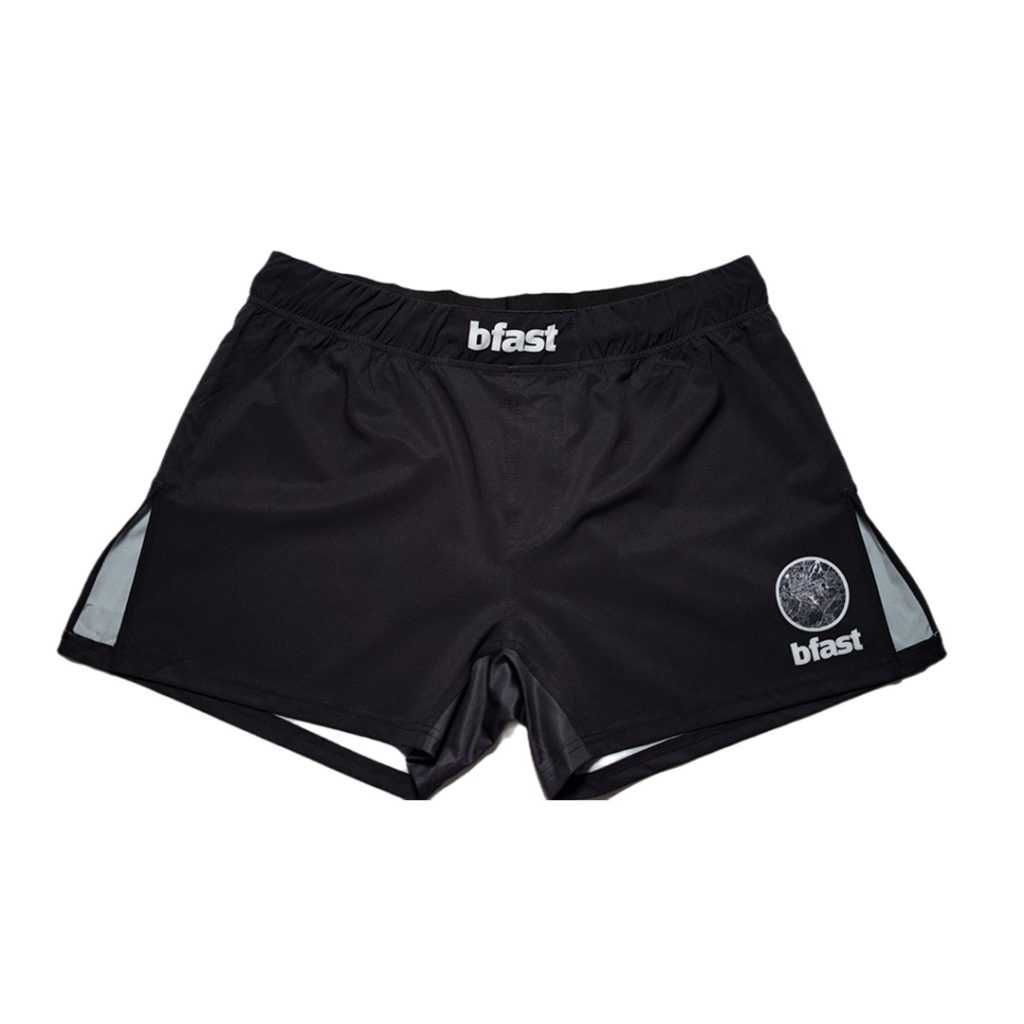
Many people also wear compression shorts or spats underneath for extra coverage and support during groundwork.
2. A Fitted Top or Rash Guard
Loose t-shirts and grappling don’t get along. A baggy top gets pulled over your head, grabbed, twisted and stretched. A fitted t-shirt works for your first class, and a rash guard is worth buying if you enjoy the grappling side.
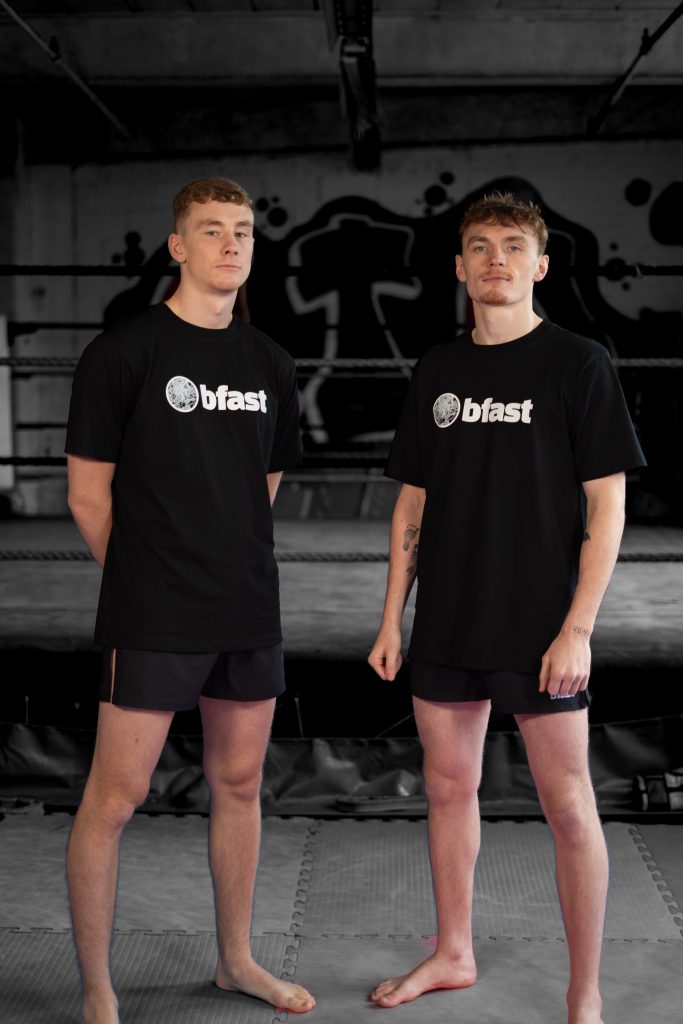
Rash guards also reduce mat burn and help with hygiene, which matters more than you’d think when you’re rolling around with a room full of sweaty people.
3. Bare Feet
MMA is trained barefoot. Bring sliders or flip-flops to wear off the mats, especially to and from the toilets. Keeping mats clean is everyone’s job.
What to Bring to Your First MMA Class
Your first MMA class checklist
- A large water bottle. You’ll need it.
- A towel.
- Sliders or flip-flops for walking off the mat.
- A gum shield if you have one. Not always needed in a first session, but always useful.
- Hand wraps if you own them. If not, the gym will usually help.
- A hair tie if you have long hair.
- A change of clothes. Don’t sit around in sweaty kit after class.
What to Leave at Home
- Jewellery. Rings, earrings, chains and watches all come off. They can cut you or your partner.
- Long nails. Trim fingernails and toenails before class. Your training partners will thank you.
- Trainers. Shoes don’t go on the mats.
- Anything with zips, buttons or rivets. Jeans-style shorts and gym shorts with zip pockets don’t belong in MMA.
- Strong deodorant or aftershave. Fresh and clean is the goal, not overpowering.
- Your ego. Everyone taps. Everyone gets caught. That’s how you learn.
What MMA Gear Should You Buy First?
Don’t spend a fortune before your first class. Most gyms lend gloves and pads to beginners. Once you know MMA is for you, buy kit in roughly this order:
- Gum shield. For hygiene and safety, this should always be your own.
- Hand wraps. Cheap, personal and essential for protecting your hands.
- Fight shorts. Something you can strike and grapple in.
- Rash guard. For the groundwork side of training.
- Boxing gloves (14oz or 16oz) for pad work and striking sparring.
- Shin guards if your gym spars with kicks.
- MMA gloves for MMA-specific sparring, once your coach says you’re ready.
Buying your own protective gear early is also about hygiene. Shared gum shields and wraps are not something anyone wants.
What Happens in a First MMA Class?
Most beginner MMA classes follow a similar structure:
- Warm-up: running, mobility, bodyweight exercises, sometimes grappling drills like shrimping and breakfalls.
- Technique: usually one striking element and one grappling element, drilled with a partner.
- Positional work or drills: controlled practice, building towards live training over time.
- Conditioning: a short, tough finish.
You won’t be thrown into full sparring in your first session. A good gym builds you up gradually.
New to striking? Our guide to Muay Thai for beginners covers the stand-up side of what to expect.
Gym Hygiene: The Unwritten Rule of MMA
Wash your kit after every single session. Not when it smells, every time. Shorts, rash guards, wraps and towels all go in the wash. Damp kit sitting in a gym bag is how skin infections spread, and nobody wants to be the person known for that.
Shower after training, keep your nails short and stay off the mats if you have any cuts or skin issues.
FAQs
Can I wear leggings to MMA class?
Yes. Leggings or spats are common in MMA, especially for groundwork. Many people wear fight shorts over the top.
Do I need MMA gloves for my first class?
No. Most gyms lend boxing gloves to beginners, and MMA gloves are only needed for specific sparring later on.
Can I wear normal gym shorts to MMA?
You can, as long as they have no zips, pockets or buttons. Fight shorts are better because they’re built for kicking and grappling.
Should I wear a gi to MMA?
No. MMA is trained without a gi. If your gym also runs BJJ classes, they may have gi and no-gi sessions.
What should women wear to MMA class?
The same principles apply: fitted top or rash guard, a sports bra, fight shorts or leggings, and no zips or jewellery.
Dress for the Work, Not the Photo
Your first MMA class is about learning, not looking the part. But the right kit means you can forget about what you’re wearing and focus on what your coach is teaching.
When you’re ready to train in fightwear built by people who live this sport, explore the full BFAST adult collection.
BFAST — Belfast born. Built by fighters. Worn by fighters.